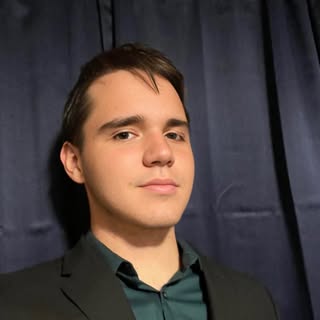
Ryan Epperly
Aerospace Engineering | Dynamics, Control, and Estimation
View Resume (PDF)
Aerospace Engineering | Dynamics, Control, and Estimation
View Resume (PDF)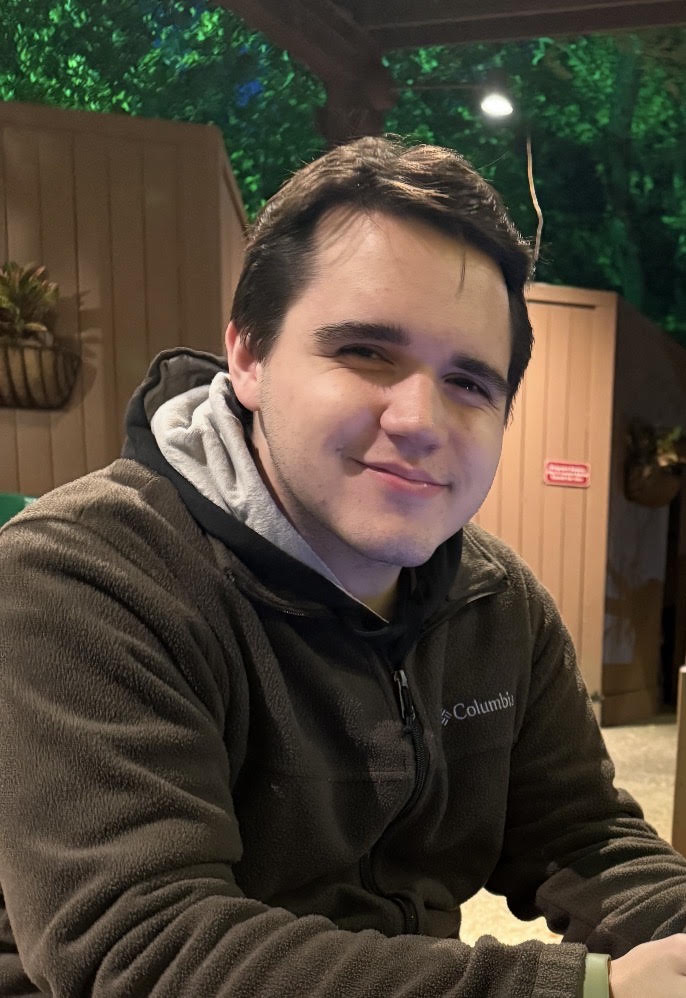
I am a dedicated Aerospace Engineering student at Virginia Tech specializing in Dynamics, Control, and Estimation. With hands-on experience spanning computational orbital dynamics, geospatial intelligence, and mechanical design, I am passionate about solving complex engineering challenges. My background blends rigorous academic research with practical, industry-standard testing and regulatory compliance.

Specialization: Dynamics, Control, and Estimation | Minor: Mathematics

Graduated Magna Cum Laude

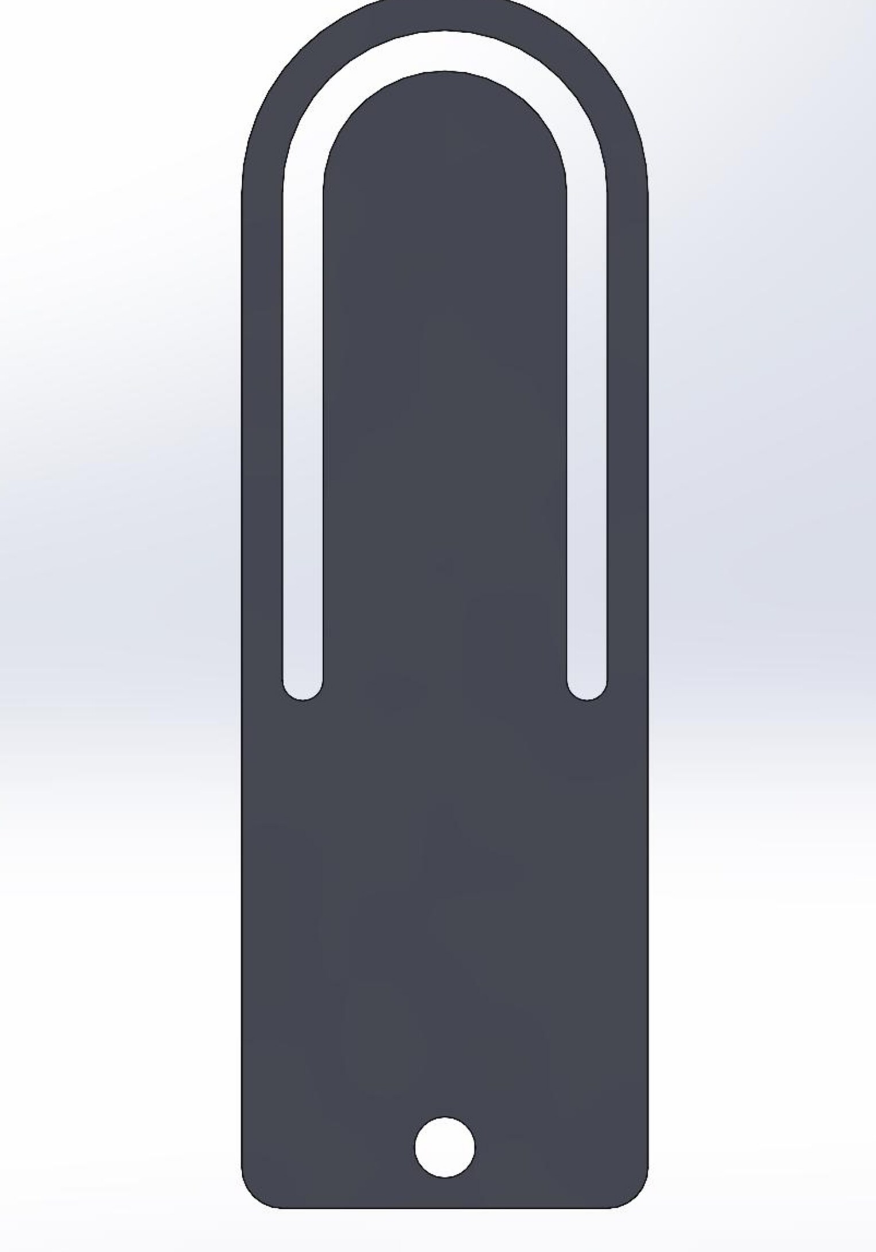
Designed a line continuity tool in SolidWorks, optimizing geometry to eliminate sharp edges and prevent cord snagging.
Engineered a custom load cell amplifier enclosure. Executed 150+ Mecmesin/hydraulic tensile tests and performed 10 operational drop tests.
Developed a QC program referencing PIA documents and MIL-STD-849D, improving inspection efficiency by 20%.
Collaborated with NASA to evaluate critical infrastructure resilience and geospatial risk factors. Authored technical papers on climate-induced aviation density altitude penalties and evaluated LEO satellite constellation resilience (Starlink) to enhance disaster situational awareness.
Providing extended support to the USAF Space Force Emergency Management/CBRN team to develop a Python-based AI predictive model for tracking and anticipating critical infrastructure vulnerabilities.

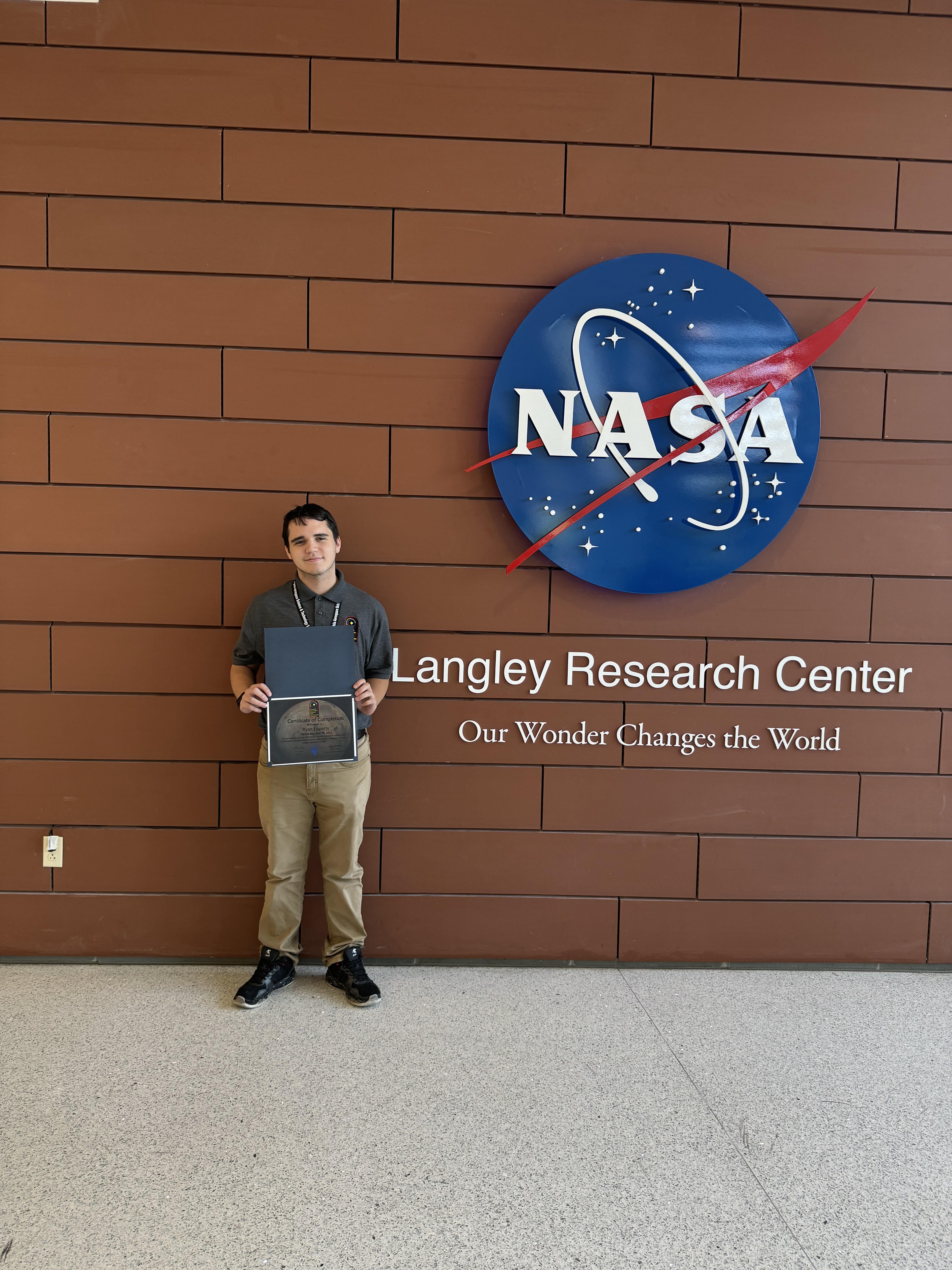
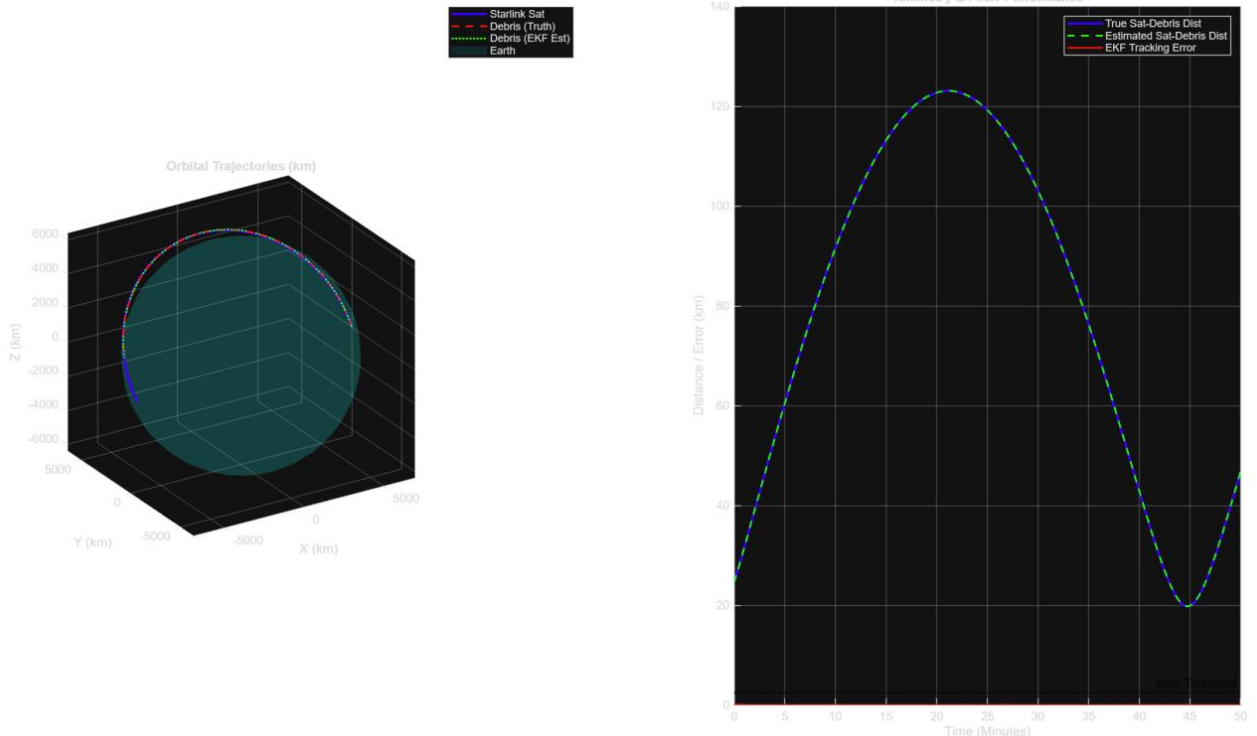
Track orbital trajectories and define parameters for autonomous collision avoidance protocols in densely populated Low Earth Orbit (LEO) environments.
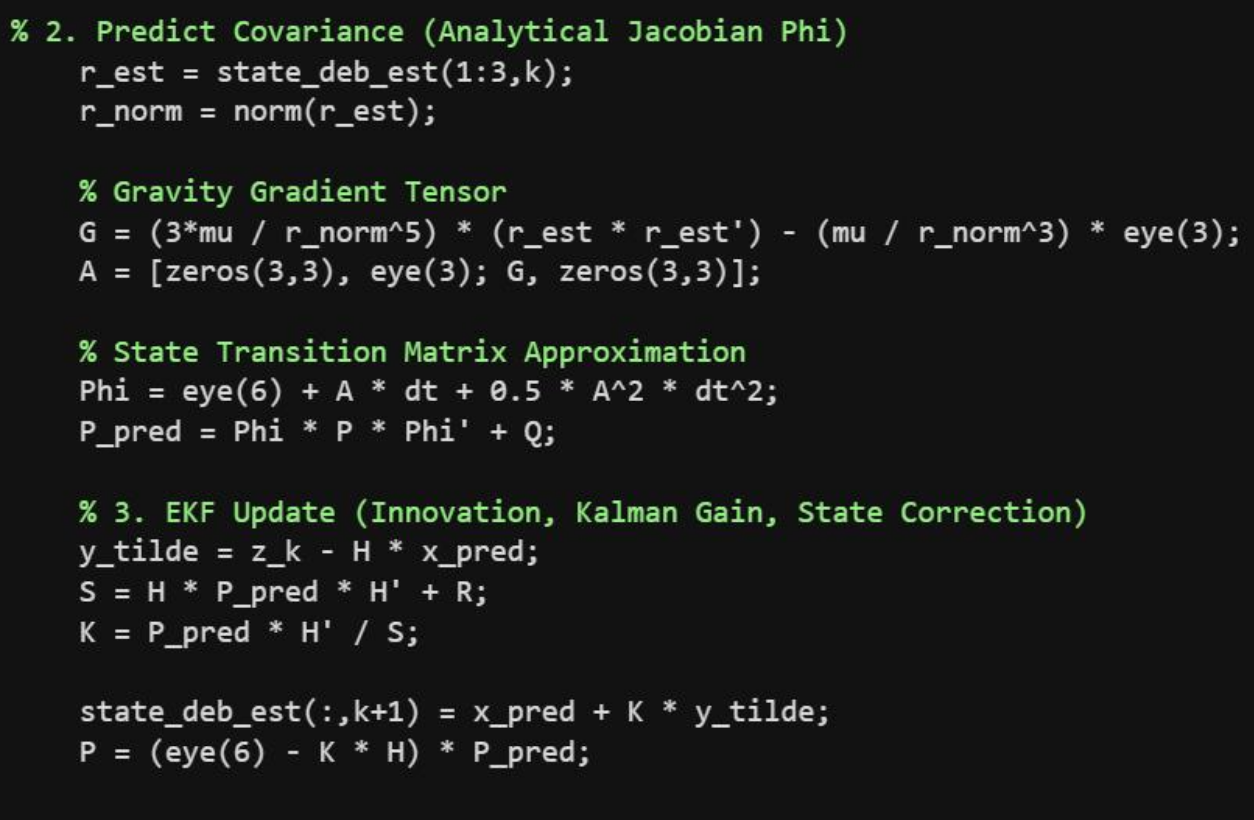
Engineered a 6-DOF computational physics simulator in MATLAB featuring J2 perturbations and an Extended Kalman Filter (EKF) for highly accurate state estimation.
Successfully modeled autonomous low-thrust collision avoidance (COLA) maneuvers. View the source code on GitHub.
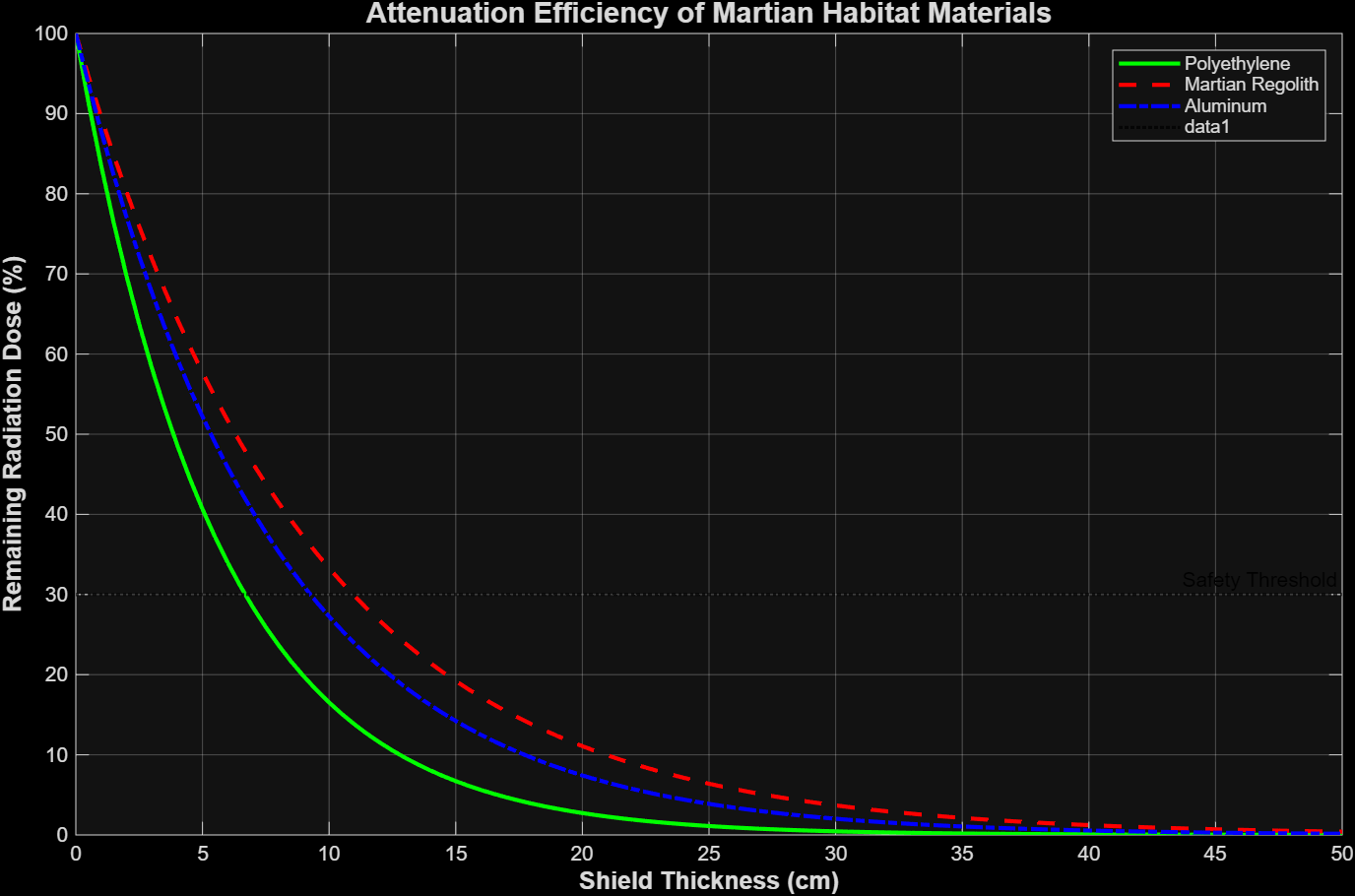
Evaluate and optimize material radiation shielding efficiency to protect astronauts during long-duration Martian surface missions.
Developed simulation models in MATLAB to analyze varying material densities and simulate solar particle/cosmic ray radiation penetration metrics.
Determined that Polyethylene displays the strongest radiation resistance with less shield thickness. It reduces radiation exposure to 30% of baseline levels at a thickness of approximately 7 cm.
Beyond the classroom, I am an active maker. I utilize my Bambu Lab P2S to rapidly prototype custom mechanical assemblies and iterate on personal designs.
I rely on SolidWorks and Autodesk Inventor for parametric modeling, bridging the gap between theoretical physics and physical, functional hardware.

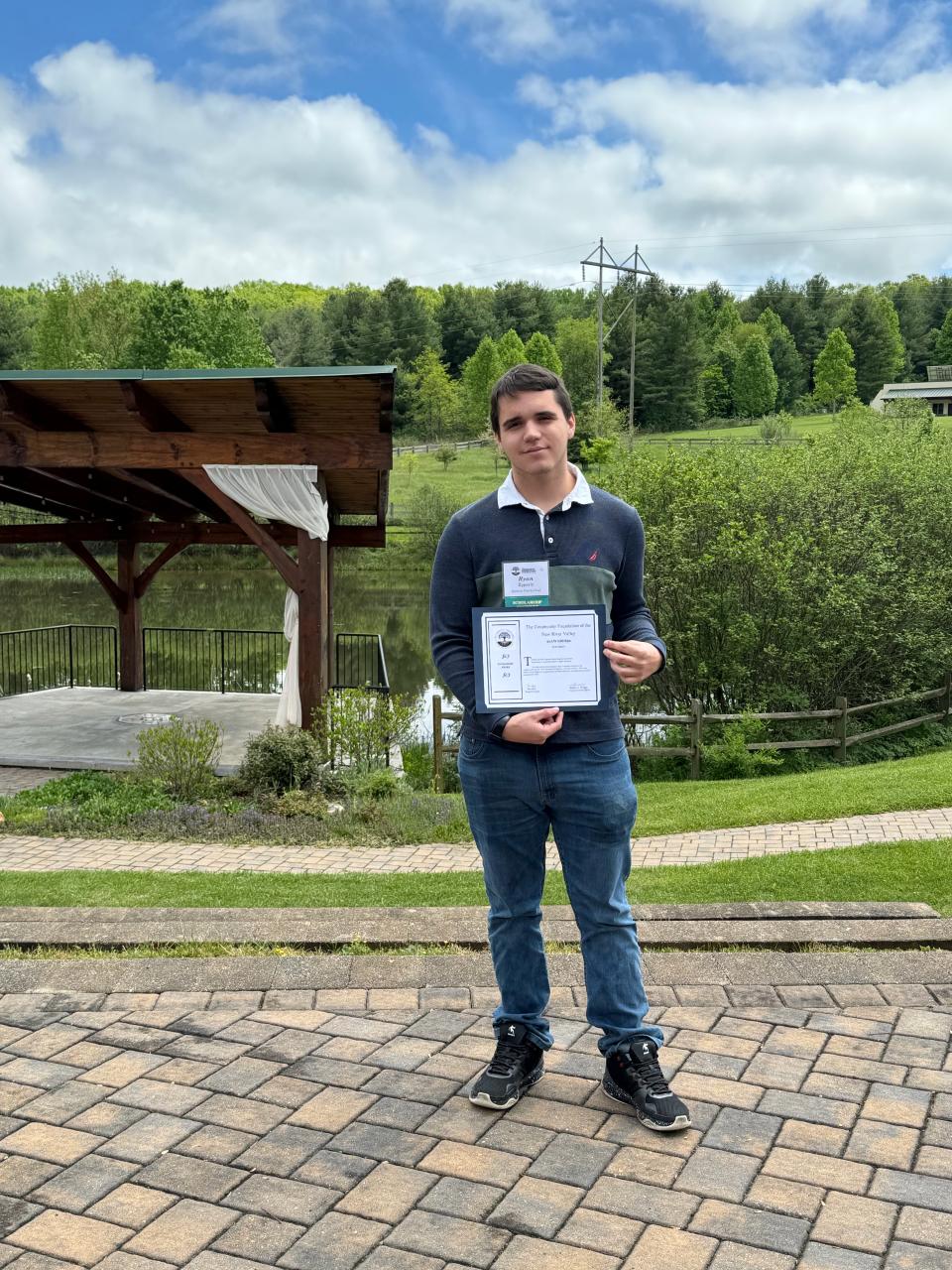
Awarded in recognition of academic integrity, scholastic excellence, and dedication to engineering studies. Featured in the CFNRV 2024 Scholarship Recipients Announcement.
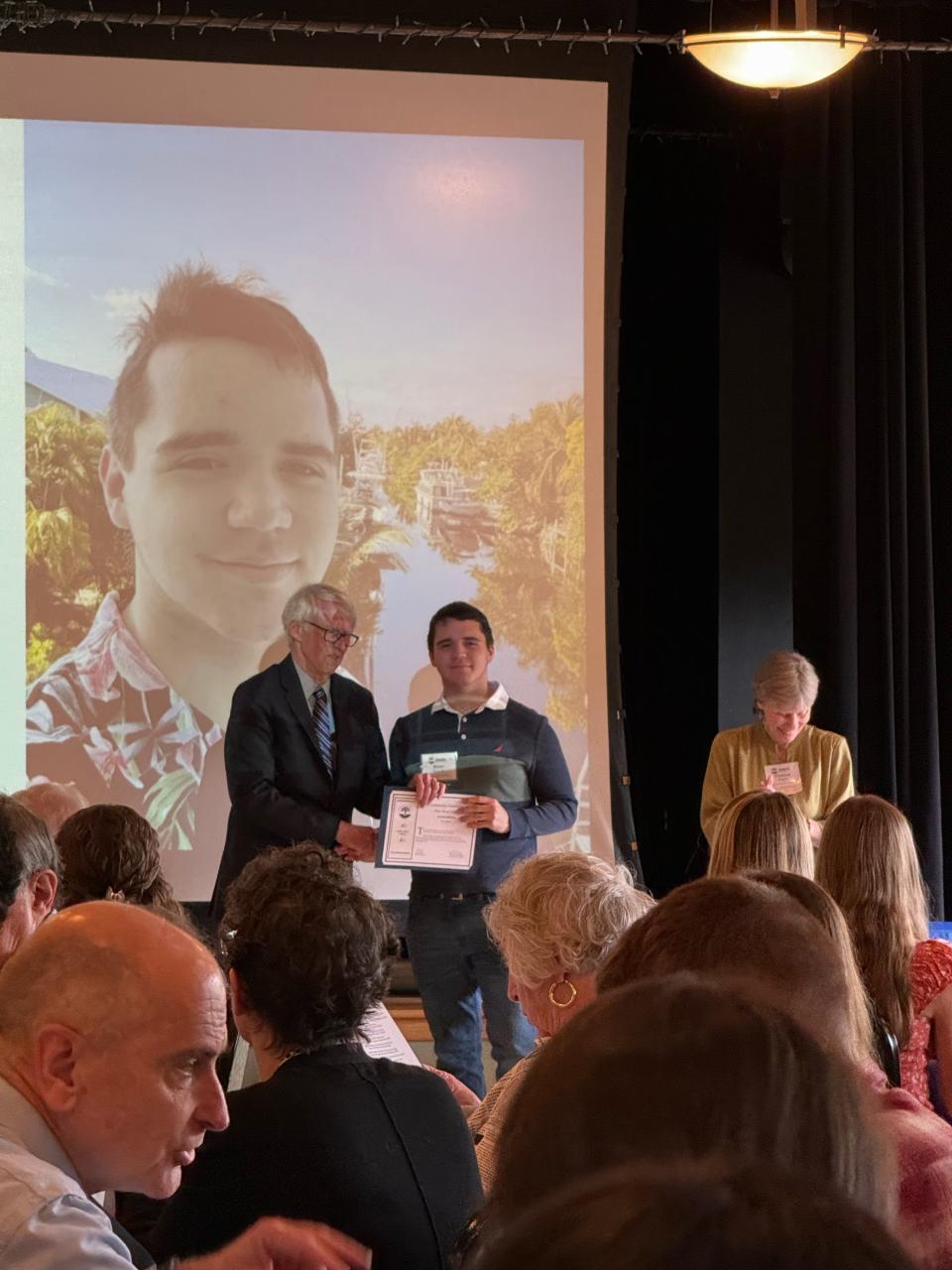
Awarded to support undergraduate studies based on excellent academic achievement.
Recognized for outstanding academic excellence, maintaining a high cumulative grade point average, and demonstrating a commitment to rigorous coursework.
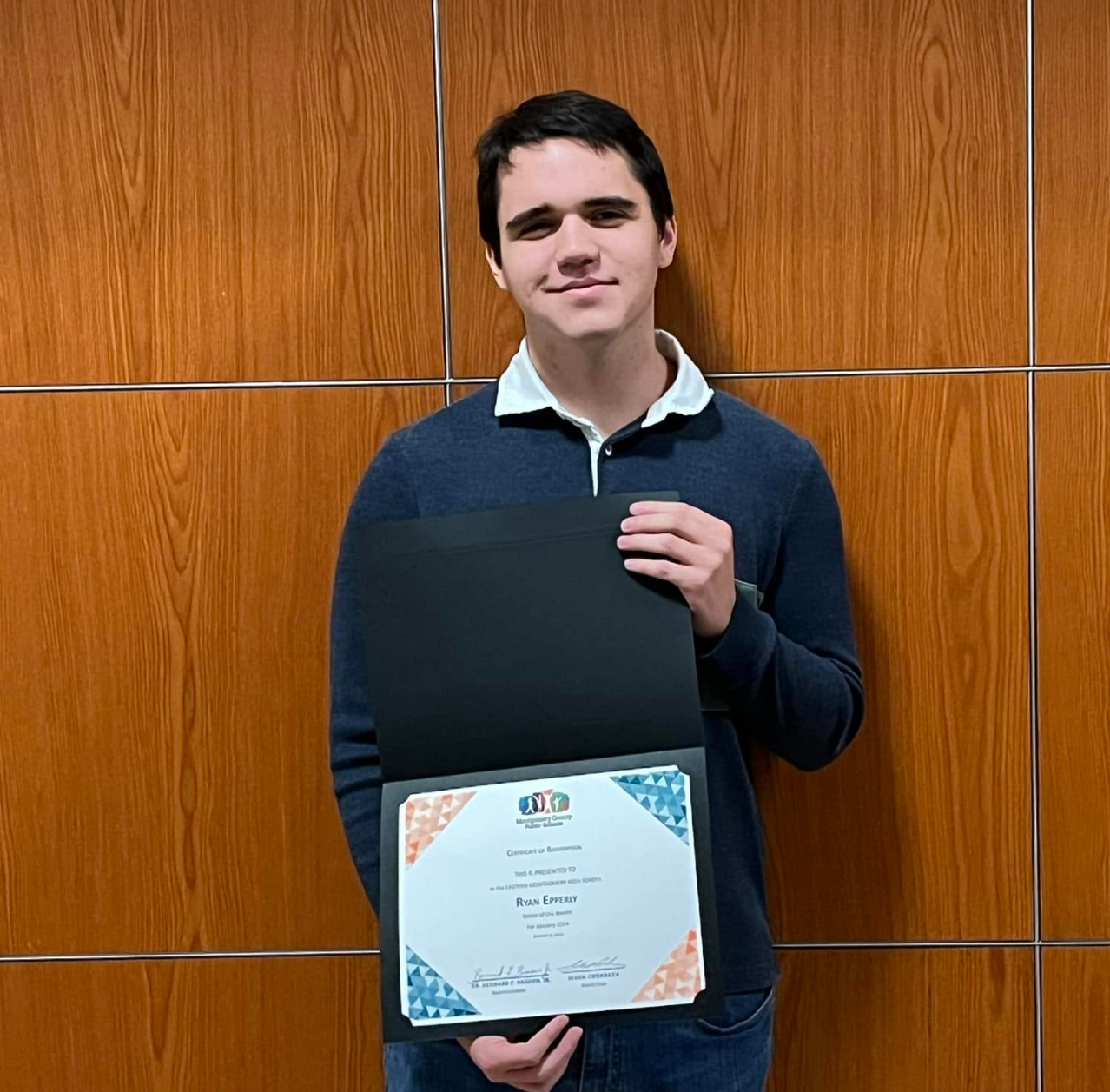
Selected for demonstrating strong performance both in the classroom and through contributions to extracurricular and community activities, particularly in STEM.